Phishing attacks are a prevalent cybersecurity threat that exploit human psychology. By leveraging email spoofing, attackers craft messages that mimic trusted sources, creating a false sense of security. These communications often evoke urgency, pressuring victims to act quickly. Once victims are directed to counterfeit websites, their personal information becomes vulnerable. Understanding the intricacies of these tactics is crucial. What measures can individuals implement to safeguard against such deceptive practices?
Understanding Phishing: The Basics
Phishing, a prevalent form of cybercrime, involves deceptive tactics to manipulate individuals into divulging sensitive information.
Commonly defined, phishing employs social engineering strategies that exploit human psychology, luring victims through seemingly legitimate communications.
Understanding phishing definitions is crucial for recognizing potential threats.
Awareness empowers individuals to safeguard their personal data against these insidious techniques, fostering a sense of security and freedom in the digital realm.
Common Phishing Techniques
Although various phishing techniques exist, they generally share a common goal: to deceive individuals into providing sensitive information.
Common methods include email spoofing, where attackers impersonate legitimate sources, and social engineering tactics that exploit psychological manipulation.
These techniques create a sense of urgency or trust, compelling victims to act without due diligence, ultimately compromising their personal and financial security in the process.
How Phishing Attacks Are Executed
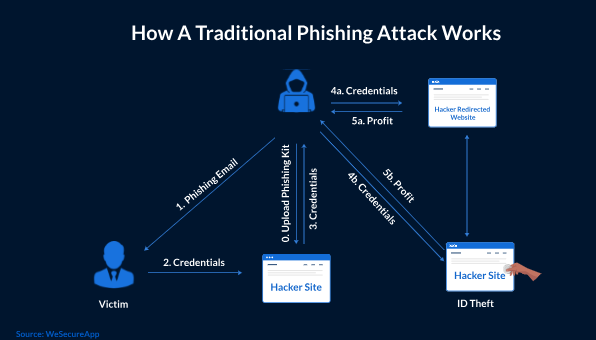
Executing a phishing attack involves a meticulously planned series of steps designed to manipulate victims into divulging sensitive information.
Attackers often utilize email spoofing to create deceptive messages that appear legitimate.
Through social engineering techniques, they exploit trust, urgency, or fear, guiding victims towards fraudulent websites or prompting them to provide personal data.
This combination of tactics heightens the likelihood of successful exploitation.
See also: How Mobile Apps Make Money
Protecting Yourself From Phishing Scams
Many individuals remain unaware of the critical steps needed to safeguard themselves from phishing scams.
Emphasizing email safety is essential; users should scrutinize sender addresses and avoid clicking suspicious links.
Enhancing security awareness through regular training can empower users to recognize potential threats.
Utilizing two-factor authentication and updating passwords frequently further fortifies defenses against these deceptive attacks, ensuring a more secure online experience.
Conclusion
In conclusion, while some may believe that phishing attacks predominantly target the technologically naïve, the reality is that these scams can deceive even the most vigilant individuals. As attackers continually refine their methods, understanding the mechanics of phishing becomes imperative for everyone. By recognizing common techniques and adopting proactive measures, individuals can significantly reduce their risk of falling victim to these pervasive threats. Awareness and education are crucial in the ongoing battle against phishing scams.