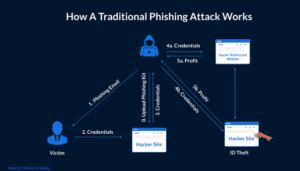
Startups are under pressure to move quickly, but speed does not reduce regulatory exposure. In April 2025, the FBI said its Internet Crime Complaint Center received 859,532 complaints in 2024 with reported losses exceeding $16 billion, a 33% increase from 2023. That matters for startups because it shows the broader risk environment they are operating in is becoming more expensive and more scrutinized, especially for companies handling customer data, payments, or sensitive workflows. Source:
For many early-stage companies, the challenge is not deciding whether compliance matters. It is figuring out how to build enough structure without hiring a full in-house function too early. That is why more founders look at fraxtional compliance leadership services as a way to introduce experienced oversight without taking on the cost and rigidity of a full compliance team.
Why Compliance Pressure Shows Up Before a Formal Team Exists
Most startups do not wake up one day and suddenly “need compliance.” The pressure appears earlier and in less obvious ways. A customer asks for security documentation during procurement. A banking or enterprise partner wants clearer evidence of internal controls. Product and operations teams start asking the same regulatory questions repeatedly, but no one owns the answer with enough authority to make decisions stick.
This is the point where compliance becomes operational rather than theoretical. It stops being a founder-side concern and starts affecting execution across the company.
A startup can usually work without a full compliance department for some time. What it cannot do for long is operate in a regulated or high-trust environment without consistent compliance leadership. That difference matters. The issue is not always headcount. It is governance.
Why Building a Full Team Too Early Can Be the Wrong Move
There is a common assumption that once compliance becomes important, the next logical step is to hire a full team. In practice, that often creates a mismatch between cost and need.
A full compliance buildout can be premature when the business is still evolving quickly. Policies change. Workflows shift. Products are still being refined. If a company builds a large internal compliance structure too early, it often ends up paying for more infrastructure than it can use effectively.
That tends to create three problems.
- Fixed cost arrives before the workload is stable: A full team adds recurring salary cost before the company has enough steady compliance volume to justify it. That is especially difficult for startups trying to preserve flexibility.
- Processes get overbuilt for a business that is still changing: Early-stage companies often need adaptable systems. A large compliance structure can lock them into workflows that will need redesign six months later.
- Leadership gets consumed by staffing before structure is clear: Instead of solving the core governance problem, the company starts solving an org-chart problem.
This is where fraxtional compliance leadership services can be more practical. The startup gets senior oversight first, then builds internal structure as the business becomes ready for it.
What Startups Actually Need First
Startups usually do not need a large compliance team as their first move. They need clarity.
They need someone who can define what matters now, what can wait, who owns what, and how the business should respond when compliance questions affect growth. That work is often more valuable than adding multiple junior resources too early.
A strong compliance setup at the startup stage usually starts with four things.
- Clear ownership of decisions: Teams need to know who decides when a new workflow creates regulatory exposure, when a control needs to be formalized, and when a partner request requires escalation.
- A practical risk framework: Startups need enough structure to identify their real exposure, not a generic enterprise model copied from a much larger company.
- Operational alignment: Compliance has to fit into product, onboarding, customer operations, and leadership reporting. If it sits outside daily work, it becomes reactive.
- Documentation that reflects reality: Policies should describe how the company actually operates, not an idealized version created only for review.
This is why a startup often benefits more from leadership than from immediate full-team expansion. A fractional compliance officer helps establish these foundations first.
See also: The Role of Social Media in Business Success
How Startups Stay Compliant Without a Full Team
The answer is not doing less. It is building the right level of structure in the right order.
Startups that stay compliant without building a full team tend to follow a more deliberate model. They do not try to replicate mature-company staffing. They focus on introducing accountability, sequencing, and defensible controls.
That usually looks like this:
- They prioritize the highest-risk areas first: Instead of trying to formalize every possible control at once, they focus on the workflows most likely to affect customers, partners, transactions, or audits.
- They use leadership to guide execution rather than expand headcount immediately: The first gap is usually not labor. It is a lack of direction. Experienced oversight helps teams implement the right controls instead of creating rework.
- They integrate compliance into existing operations: Startups that succeed here do not create a parallel compliance universe. They build compliance into onboarding, approvals, documentation, and reporting.
- They prepare for external scrutiny before it becomes urgent: Readiness for customers, banks, investors, or auditors is much easier when evidence and ownership are established early.
This is where fraxtional compliance leadership services fit particularly well. They let startups add the leadership layer first, which is often the missing piece.
Where This Model Creates the Most Value
The value of not building a full team too early is not just cost control. It is execution quality.
A startup with the right leadership model can often move faster because decisions become clearer. Teams stop re-arguing the same questions. Partner responses become more consistent. Documentation becomes easier to maintain because it is tied to real workflows. Risk is easier to explain internally and externally.
That tends to show up most clearly in a few situations.
- During customer and partner diligence: When requests come in for controls, governance, or security process details, the company can respond in a structured way instead of scrambling.
- During product and process change: When new features or onboarding flows create new risk, the company has a clearer decision path for evaluating them.
- During growth into more sensitive workflows: As transaction volumes, customer data sensitivity, or regulatory exposure increase, the company already has leadership in place to adapt controls.
A fractional compliance officer is often most valuable not when everything is already formalized, but when the startup is moving from informal execution to repeatable governance.
What Founders Should Watch For
A founder does not need a perfect maturity model to know when the current setup is no longer enough. There are usually a few visible signs.
- Teams are waiting too long for compliance-related decisions.
- Security, legal, operations, and product are answering similar risk questions differently.
- Customer or partner reviews require repeated last-minute documentation work.
- Policies exist, but ownership and enforcement are unclear.
- The business is entering workflows where failure would have outsized trust or regulatory consequences.
When those signs appear, the real issue is usually not that the company lacks a full team. It is that it lacks the right leadership structure.
That is why fraxtional compliance leadership services are becoming more relevant for startups that need more discipline but are not yet ready for a full internal buildout.
Why This Approach Fits the 2025 Environment
The current environment rewards companies that can demonstrate control without becoming slow or bloated. Startups are expected to stay lean, but they are also expected to prove they can manage risk responsibly. That tension is exactly why the old answer of “hire a full team when things get serious” no longer fits every growth stage.
A fractional compliance officer gives startups a middle path. It introduces experienced governance while preserving flexibility. It helps the company stay credible with customers, partners, and investors without forcing a premature organizational structure.
Conclusion
Startups can stay compliant without building a full compliance team, but only if they replace missing headcount with real leadership. The companies that handle this well do not ignore compliance, and they do not overbuild it. They introduce structure at the point where informal ownership starts creating delay, inconsistency, or external risk.
That is the practical value of fraxtional compliance leadership services. They give startups a way to become more controlled, more credible, and more audit-ready without committing too early to a full internal team. In a market where trust and risk management increasingly shape growth, that balance matters.